Die Casting
Cold chamber · small to mid-size · multi-cavity
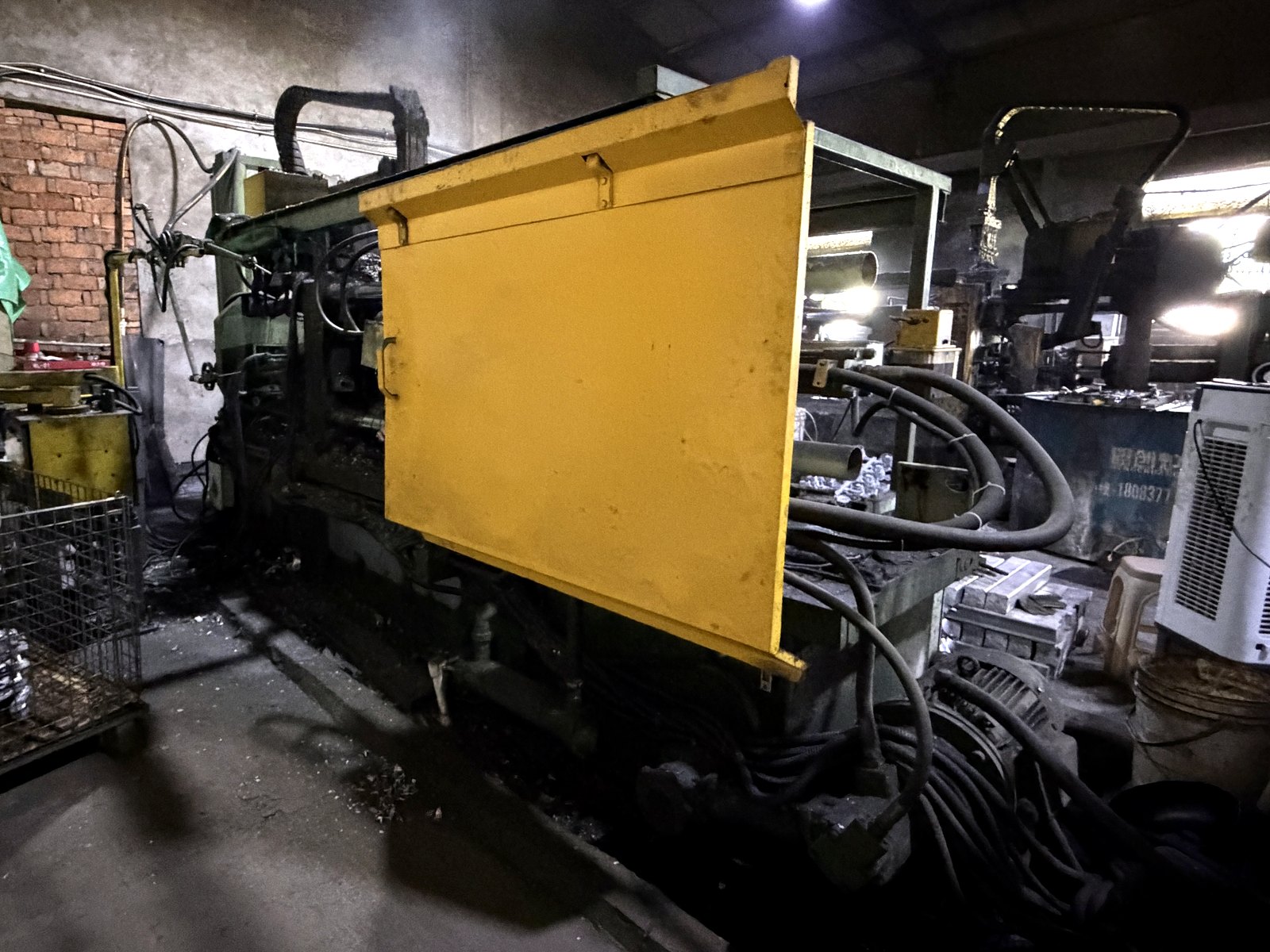
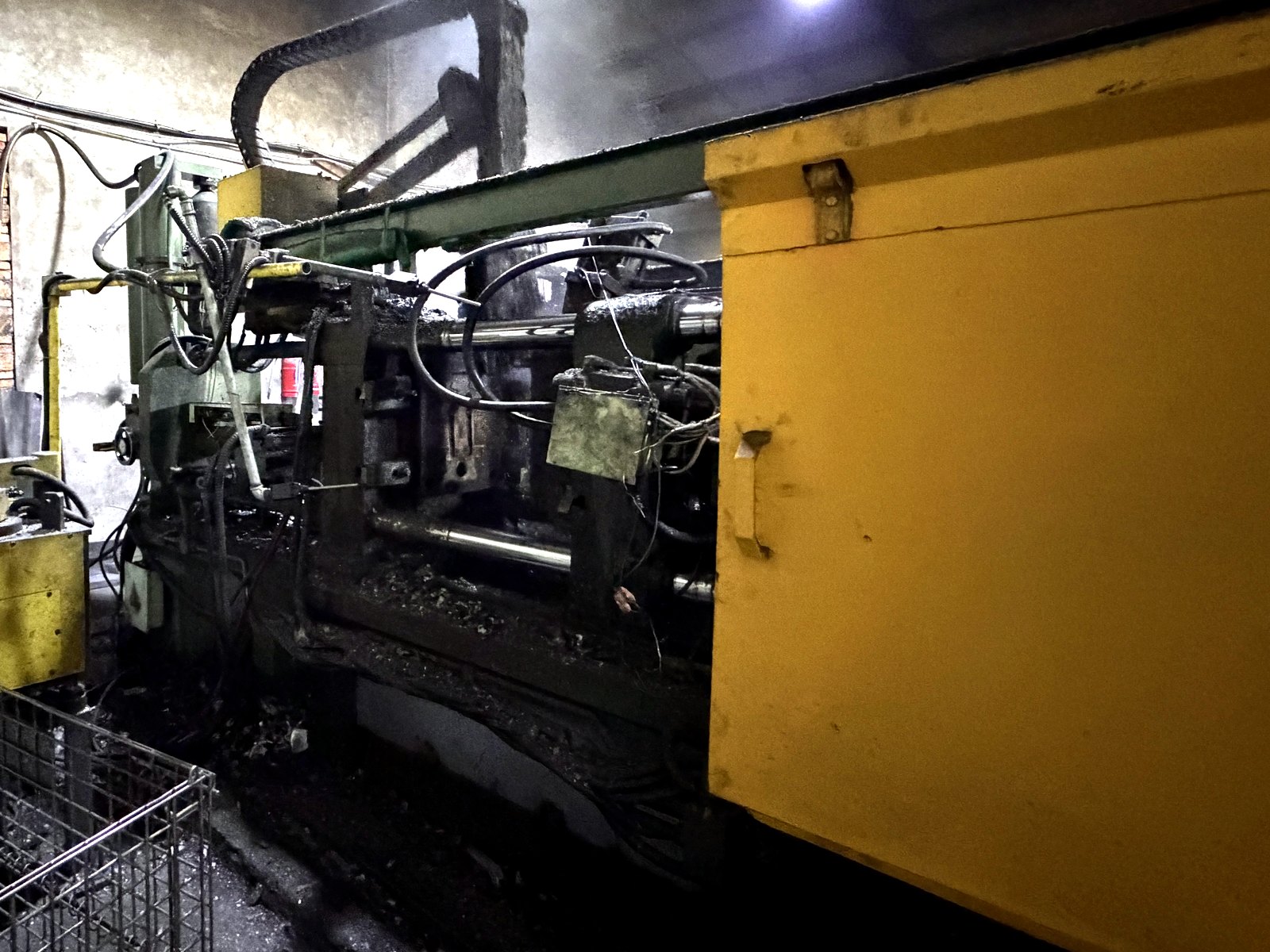
Metal at 680–720 °C: thin walls filled before they freeze, heavy sections on extra cooling. Gate, overflow and vent layout runs through flow simulation before the mold is cut, rather than being discovered at first shot.
DRAWINGWhich faces are cosmetic, which get machined, what leak rate is allowed — all three decide where the gate goes
Tooling & Repair
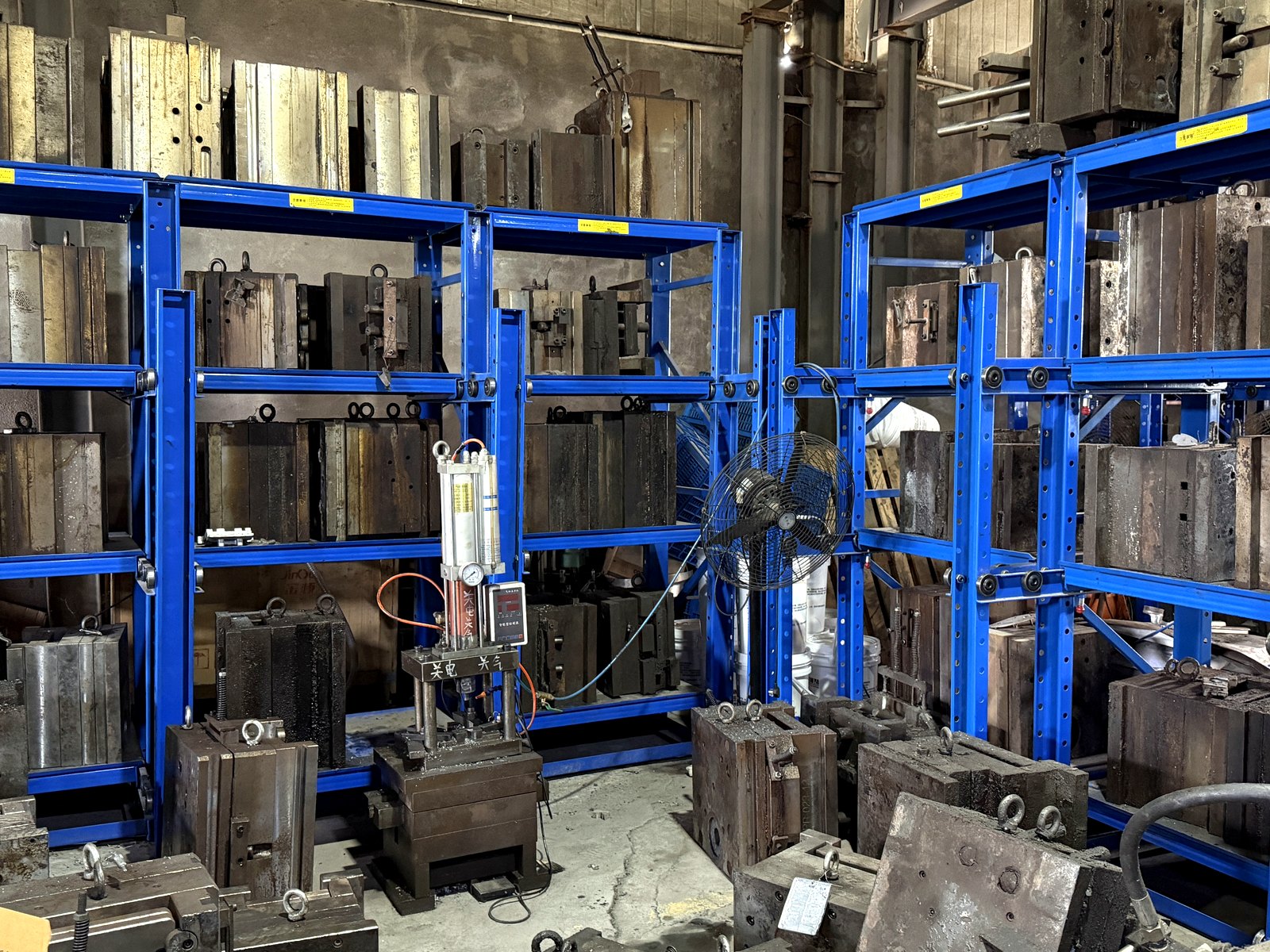
In-house mold shop · 25–35 days
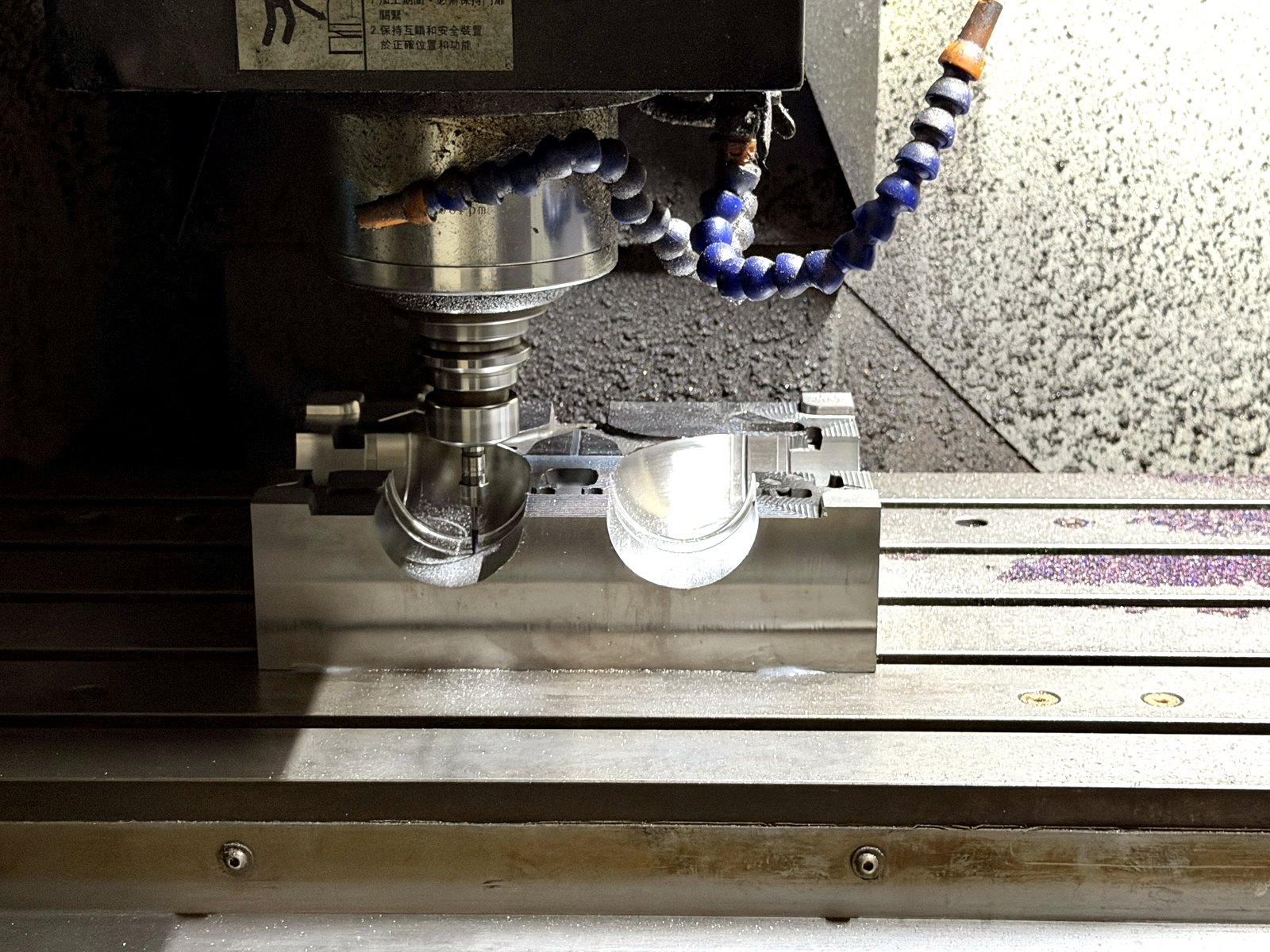
New molds cut in-house; repairs and revisions too. Every mold is checked before it goes on the machine — leader pins, ejector pins, water lines. Anything worn gets swapped, not run.
DRAWINGLock the 3D before steel is cut. After that a drawing change is a mold change — cost and lead time both live here
Material
ADC12 / A380 / A360 · others on request
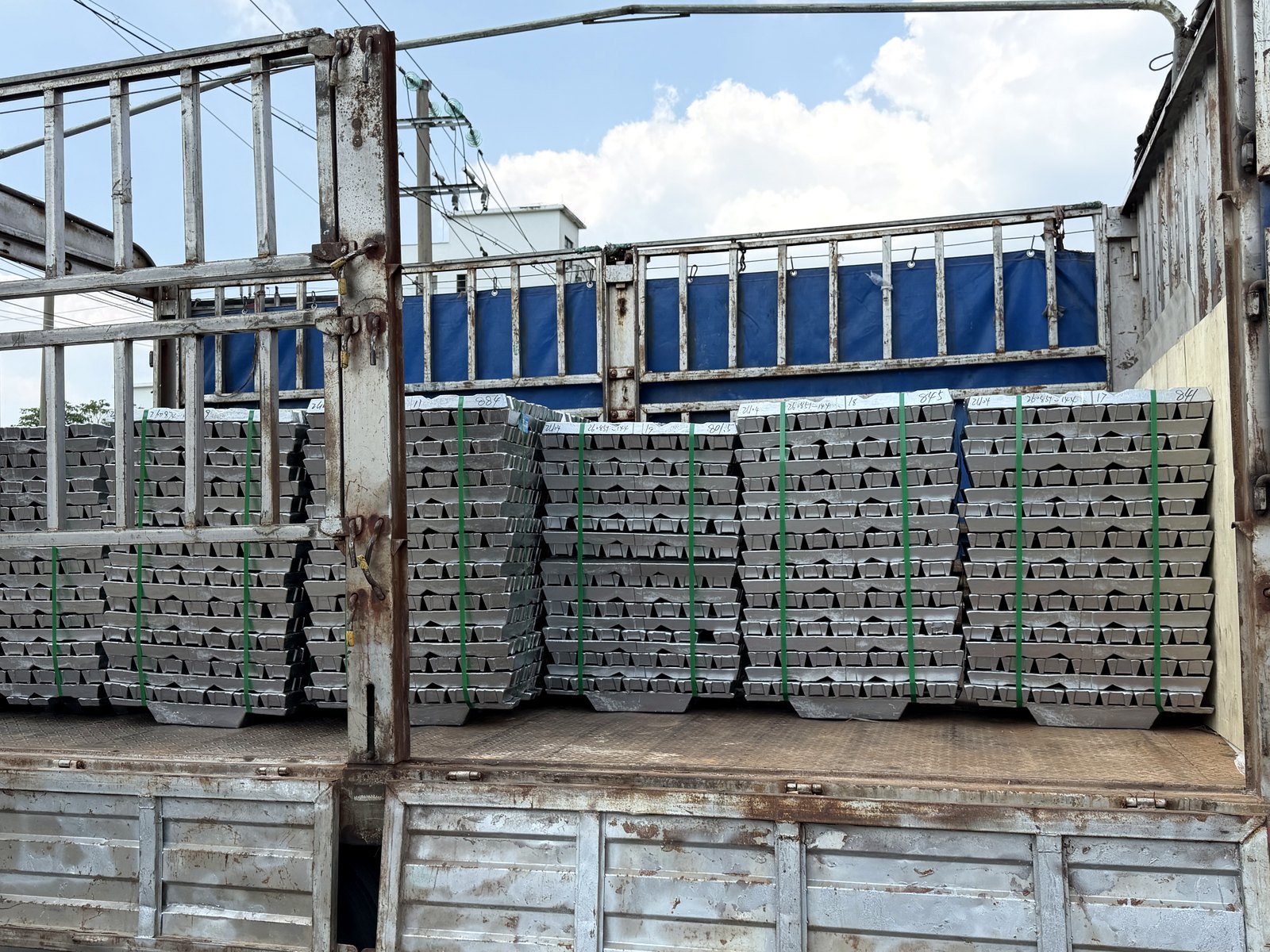
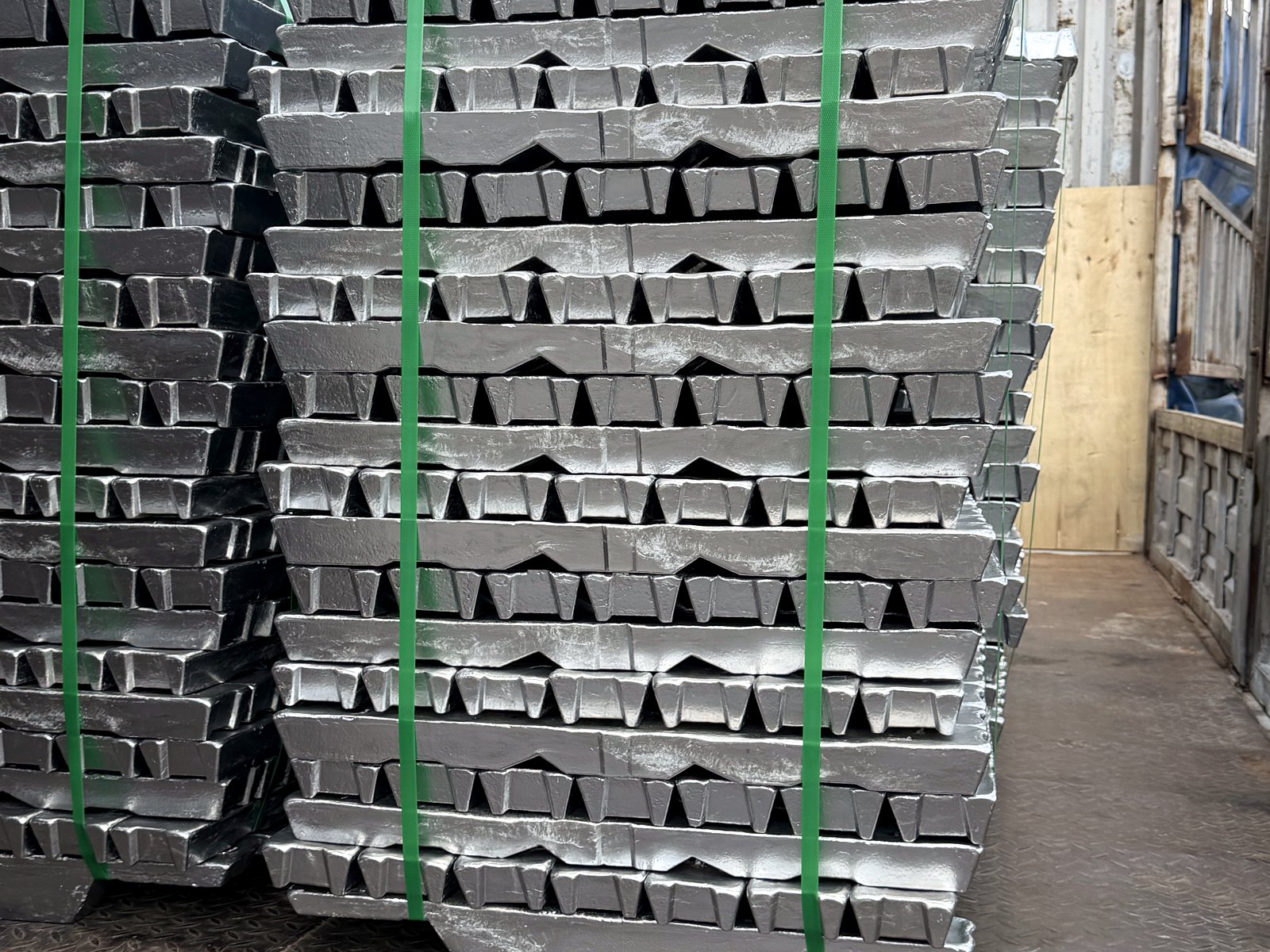
Ingots bought by the pallet, alloys stacked separately. Spectro test before the furnace; off-spec metal does not get poured. Other alloys quoted on request, blended to order.
DRAWINGWill the part be coated, does it see salt spray, powder or wet paint
Trimming & Finishing
Trim die · belt · shot blast · impregnation
Gate, overflow and flash come off in one hit of the trim die; the rest is hand work. Pressure-tight parts get vacuum impregnation — not another coat of paint over a leak.
DRAWINGWhich edges need a chamfer, which faces must stay belt-mark free, what pressure the leak test runs at
Machining
Drilling & tapping · face milling · turning
Castings go straight into the machine shop next door, 3- and 4-axis. Datums are taken from the mold, not from whichever face of the blank happens to look flat.
DRAWINGWhich dimensions must be machined, which can stay as-cast — this is where the piece price is decided
Surface Finish
Powder coat · wet paint · RAL colour
Subcontracted, but followed through one window: colour matched to RAL or a physical sample, adhesion and film thickness logged. Jobs where batch-to-batch colour cannot be held do not get taken.
DRAWINGWhich face is cosmetic, film thickness and gloss level, whether it goes through salt spray